The Next Generation of Boating in the “Yachting Capital”
Fort Lauderdale doesn’t just host the boating lifestyle—it runs on it. From the Intracoastal to the New River, the city’s economy, culture, and identity are deeply tied to the water. That’s why projects like F3 Marina Fort Lauderdale feel bigger than “just another marina.” It’s a signal of where waterfront living is headed: more automated, more secure, more hospitality-driven, and more integrated into the surrounding real estate ecosystem.
So what exactly is F3 Marina, when did it open, and why are boaters (and investors) paying attention?
When F3 Marina Opened—and Why That Timing Matters
F3 Marina’s Fort Lauderdale drystack facility opened at the end of October 2021, and reports noted that occupancy reached roughly 70% by early November—a strong indicator of pent-up demand in a market where slips and storage are perpetually competitive.
That opening window is important: it arrived during a period when South Florida saw a surge in boating participation, seasonal residency, and lifestyle-driven relocation. In other words, F3 wasn’t built for yesterday’s boating scene—it was built for the accelerating reality of Fort Lauderdale today.
What F3 Marina Offers: Not Your Typical Drystack
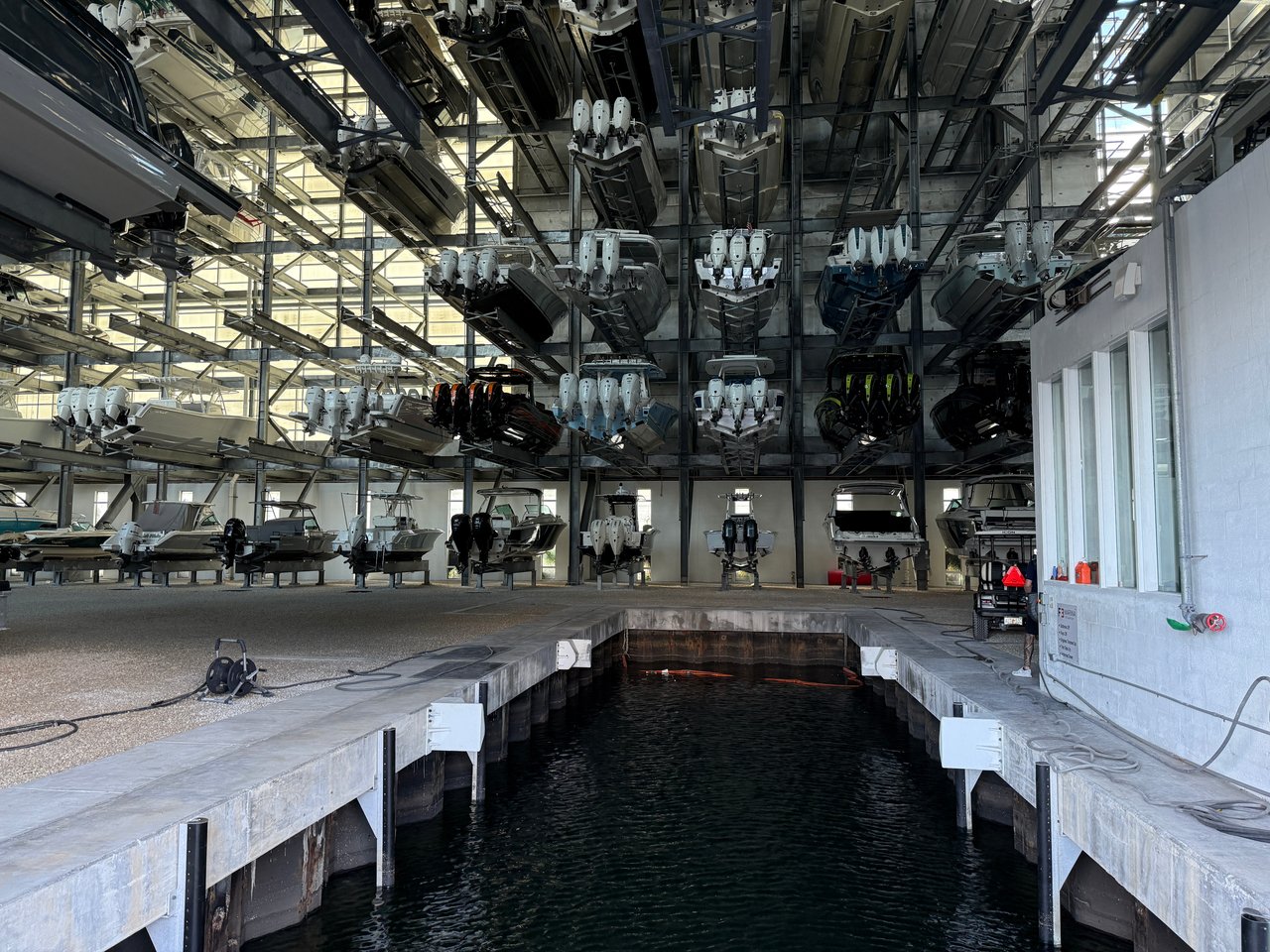
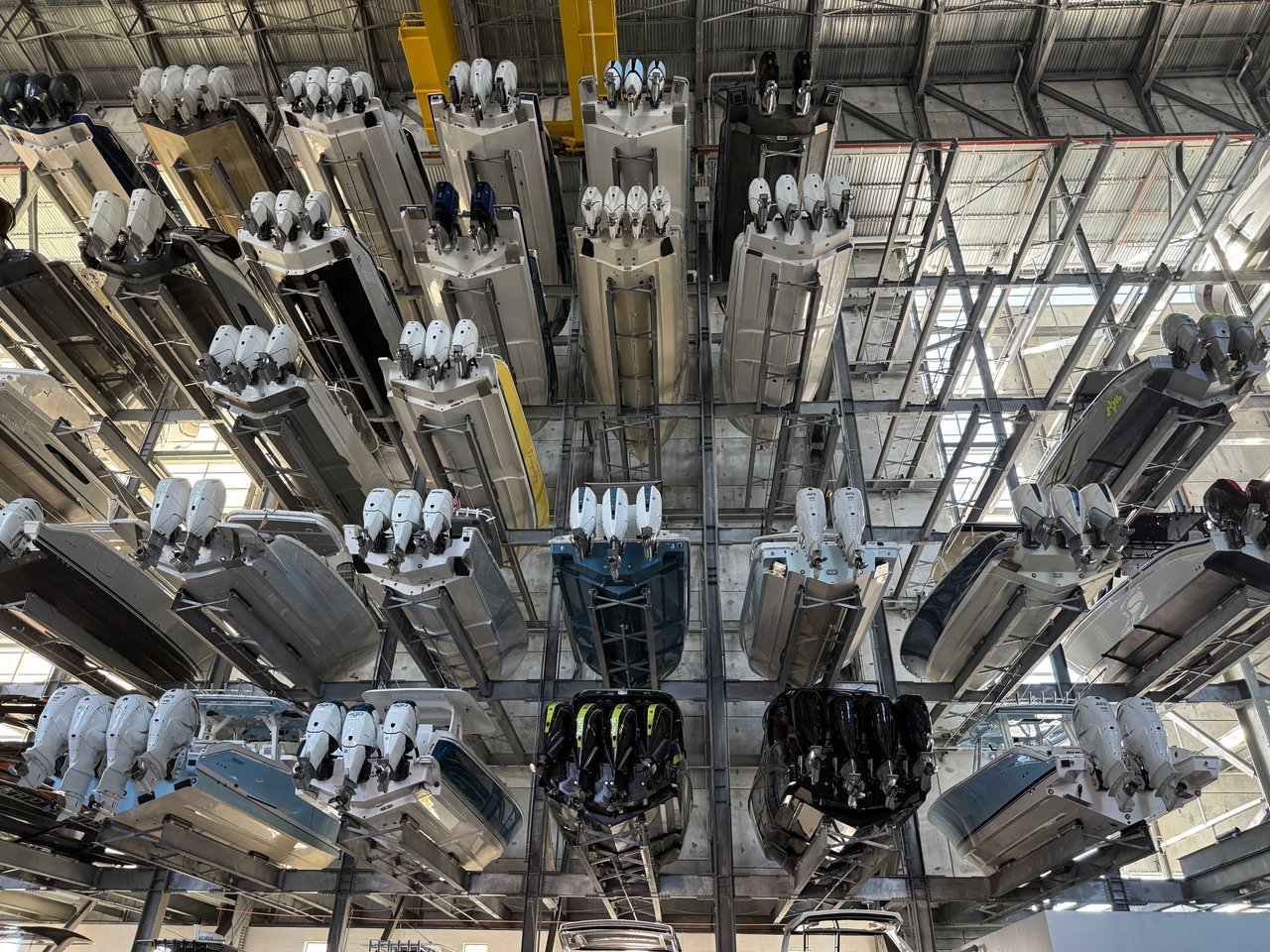
At its core, F3 Marina Fort Lauderdale is a fully-automated indoor drystack marina designed for speed, convenience, and protection. Its signature feature is computerized crane technology that can handle boats up to ~43 feet and 30,000 pounds, positioning it as one of the rare facilities globally with this level of automation.
A few standout features:
1) Automation that changes the “time-to-water” experience
Traditional drystacks often rely on forklifts and labor-heavy operations. F3’s automated system is designed to streamline retrieval and storage, which matters in Fort Lauderdale where boaters want spontaneity: leave brunch, be on the water quickly, beat the afternoon weather, and be back in time for dinner.
2) A building engineered for South Florida reality
F3’s structure has been described as hurricane-rated up to 170 mph winds, a key selling point in a region where storm planning is not optional—it’s a lifestyle consideration.
3) Hospitality-level amenities (a “club” feel)
F3 highlights an amenity set that reads more like an elevated waterfront club than basic storage: on-site high-speed fueling, concierge service, storage lockers, fish cleaning station, engine flush, indoor work racks, and more.
4) Location that blends boating with walkable lifestyle
The facility is positioned for convenience—near the 17th Street Causeway area, with direct access to the Intracoastal and minutes to the Atlantic, plus proximity to restaurants, hotels, and retail.
Is F3 the Future of Marinas?
In many ways, yes—and here’s why.
The “future marina” is less about slips, more about systems
Waterfront space is scarce. Wet slips are limited. And as Fort Lauderdale grows, the pressure on waterfront infrastructure increases. A fully-automated drystack facility is essentially a vertical answer to a horizontal problem: it can store more vessels securely using a smaller waterfront footprint than traditional layouts.
F3 has been described as the world’s tallest dry stack marina, providing indoor storage for hundreds of vessels with a high-rise approach to marina storage.
The future is “resilience + convenience”
Boaters want two things that used to conflict: easy access and serious protection. Automation, indoor storage, and hurricane-rated engineering combine into a model that fits the modern Florida buyer: someone who values lifestyle, but also expects their assets to be protected and professionally managed.
The future is also about experience
South Florida’s luxury market has trained consumers to expect more—more service, more design, more ease. F3 leans into that, positioning the marina as an experience, not a storage yard. And that shift matters: as boating becomes increasingly interwoven with real estate decisions, “where you keep your boat” becomes part of “where you choose to live.”
What F3 Means for Fort Lauderdale’s Boating Lifestyle—and the Greater Area
1) It supports the city’s identity as a marine capital
Fort Lauderdale’s marine economy extends far beyond leisure—it impacts service businesses, fueling operations, maintenance, hospitality, and tourism. A high-capacity, high-efficiency marina supports that ecosystem by making boating easier to participate in (especially for those who don’t want the complexity of managing a wet slip full-time).
2) It makes boating more accessible for seasonal residents
Seasonal residents—snowbirds, part-time Florida homeowners, and international owners—often prioritize turnkey simplicity. Indoor drystack storage with concierge-style operations can be attractive because it reduces the friction of ownership: less worry about storms, maintenance exposure, and staffing coordination when you’re out of town.
3) It elevates adjacent property value through lifestyle proximity
In South Florida, lifestyle infrastructure is real estate infrastructure. A modern marina offering secure storage, fueling, and service can lift the perceived value of nearby condos, hotels, and residential neighborhoods because it enhances the lifestyle package buyers are shopping for—especially those who want boating without the full-time burden of a dock.
The Investor Angle: Why Marina Innovation Gets Attention
Investor interest in marinas and waterfront assets has been rising as boating demand stays strong and waterfront land becomes increasingly constrained. In 2025, commercial real estate messaging around F3 emphasized its positioning and amenities, noting it was built in 2021 and highlighting features like secure indoor storage, a private lounge, covered parking, high-speed fueling, and retail ship store. Colliers
Why this matters for investors:
-
Operational efficiency: Automation can reduce dependence on labor availability and increase consistency in service delivery.
-
Premium positioning: “Hospitality marina” experiences can support premium pricing and membership-style retention.
-
Scarcity value: Waterfront-zoned sites are limited, permitting is complex, and replacement costs are high—especially for engineered, storm-rated facilities.
This is one of the reasons many view facilities like F3 as part of the broader “future of waterfront real estate” conversation—not separate from it.
The Big Picture: A New Standard for How Fort Lauderdale Lives on the Water
F3 Marina Fort Lauderdale isn’t just a place to store a boat. It reflects a broader shift happening across South Florida:
-
Vertical, engineered solutions to limited waterfront space
-
Experience-driven operations that match modern luxury expectations
-
Storm-aware design that aligns with Florida’s climate reality
-
Lifestyle integration where marinas, dining, hospitality, and housing move together
For boaters, it can mean less hassle and more time actually enjoying the water. For seasonal residents, it can mean a more turnkey, secure relationship with ownership. And for the Fort Lauderdale market overall, it’s another step toward a future where waterfront infrastructure is treated with the same innovation mindset as luxury real estate development.
Connect with Joe Lanser
Curious how Fort Lauderdale’s evolving marina scene—and projects like F3 Marina—are shaping waterfront property values and boating-focused communities?
Joe Lanser, P.A.
South Florida Realtor © | Lanser - Caicedo Group
www.LanserHomeSales.com
[email protected]
(954) 864-4465