The FIFA World Cup 2026 is not just happening in America. It is happening in our backyard. And the world is watching South Florida in a way it never has before.
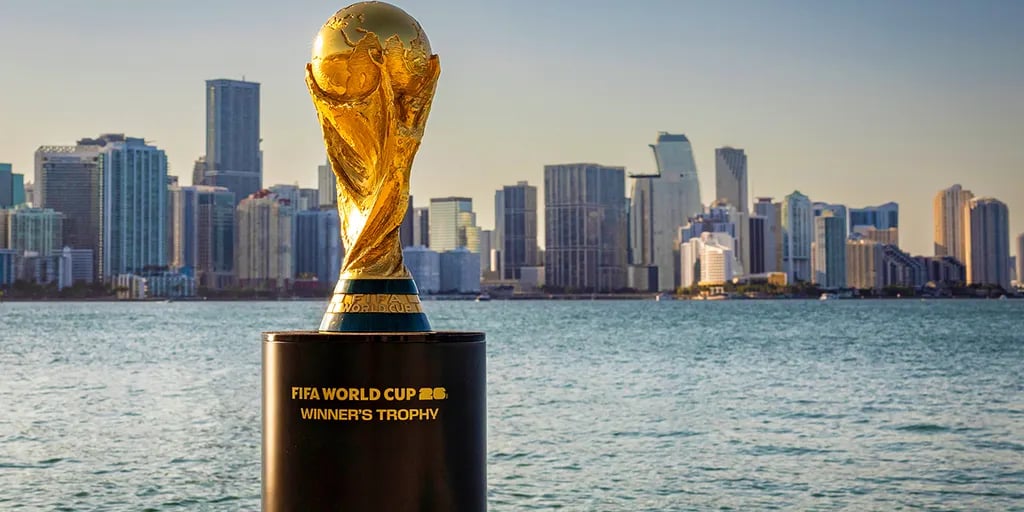
There are moments that define a city — not because of what happens in them, but because of who sees you during them. This summer is one of those moments for South Florida. The FIFA World Cup 2026 brought the largest sporting event on the planet to the United States for the first time since 1994, and Miami was chosen as one of just 16 host cities in North America to carry it. Seven matches. Weeks of global attention. Millions of visitors. A city that was already one of the most watched real estate and lifestyle markets in the world, suddenly under an even brighter spotlight.
And for those of us who live here, or who have been thinking about it — this tournament has done something interesting. It has let the rest of the world see what we already know.
The Tournament That Changed the Scale
The 2026 World Cup is the first to feature 48 teams, up from the traditional 32. That expansion means more matches, more nations represented, more fan bases traveling, and more stories. And the stories have delivered. From the opening matches in June through the quarterfinals this past weekend, this tournament has already produced some of the most dramatic moments in World Cup history.
Germany — a four-time World Cup winner — was knocked out in dramatic fashion by Paraguay on penalties. The Netherlands followed, falling to Morocco. Brazil, one of the tournament favorites, was eliminated by Norway in the Round of 16. The host nation United States made it through the round of 32 but were ultimately sent home by Belgium 4-1. Cristiano Ronaldo appeared in his final World Cup, Portugal fell to Spain. And through it all, Argentina — the defending champions — survived, including a nervy comeback against Cape Verde in Miami Gardens and a late Julian Alvarez stunner to beat Switzerland in the quarterfinals.
We are down to four. France versus Spain. England versus Argentina. The two semifinals are set, and the world is locked in.
Where the Tournament Stands — July 14, 2026
Semifinals
France vs. Spain
Tuesday, July 14 · 3 PM ET · AT&T Stadium, Dallas
England vs. Argentina
Wednesday, July 15 · 3 PM ET · Mercedes-Benz Stadium, Atlanta
Final Matches — Right Here in South Florida
Bronze Final (3rd Place)
Saturday, July 18 · 5 PM ET · Hard Rock Stadium, Miami
The World Cup Final
Sunday, July 19 · 3 PM ET · MetLife Stadium, New Jersey
Miami's Moment
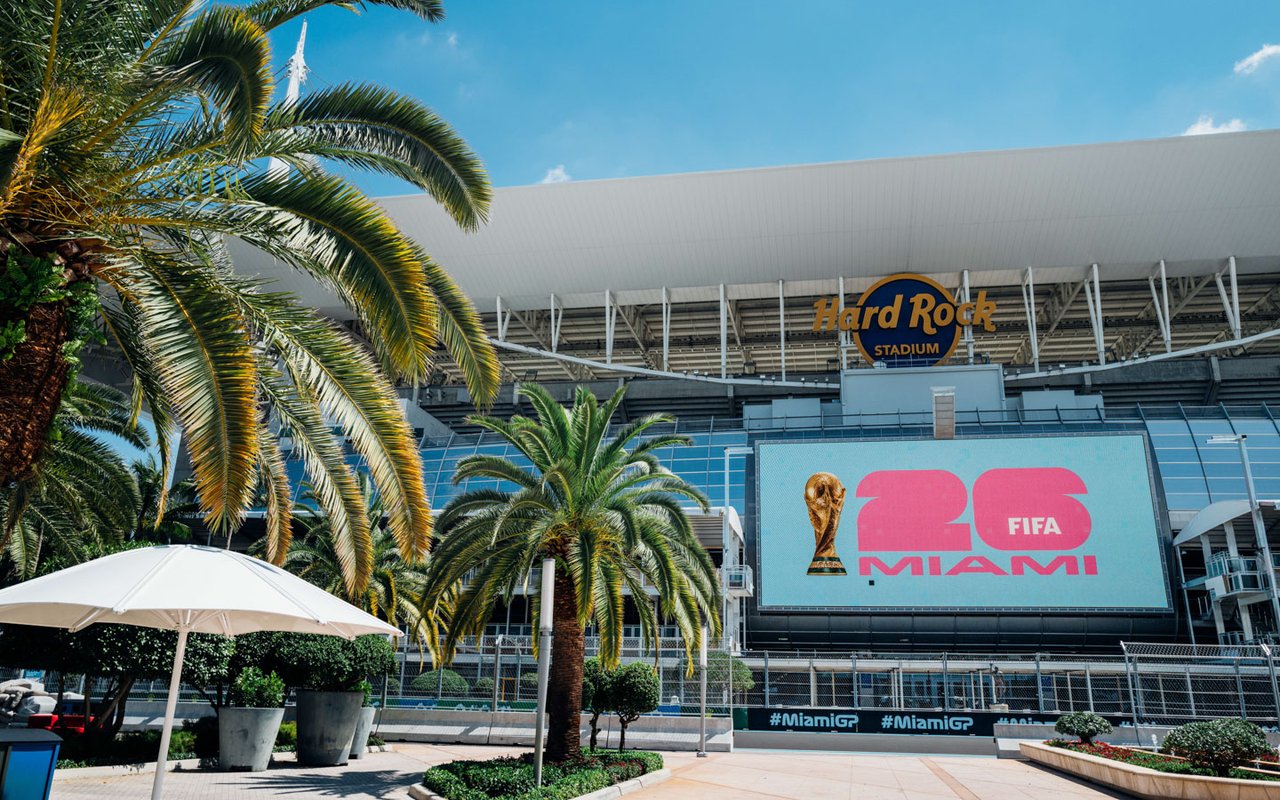
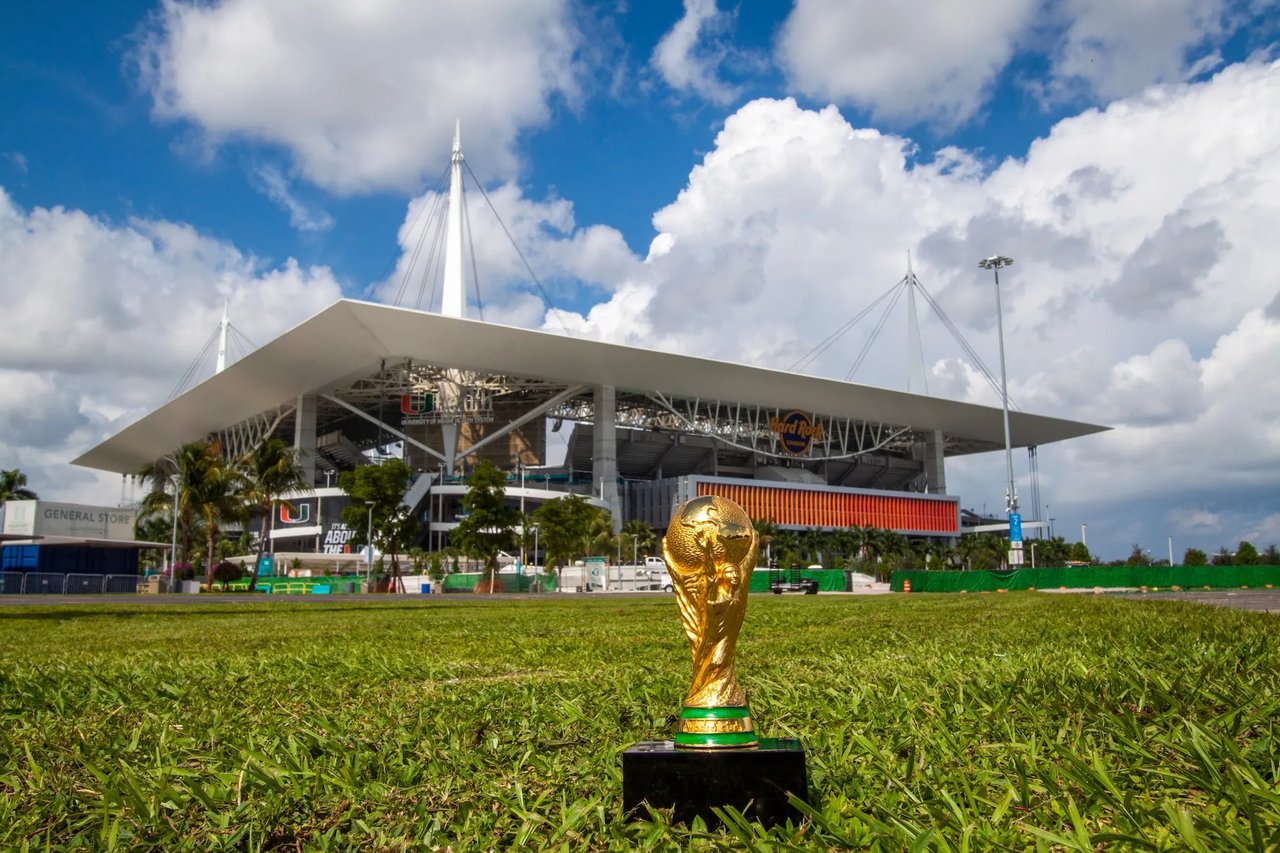
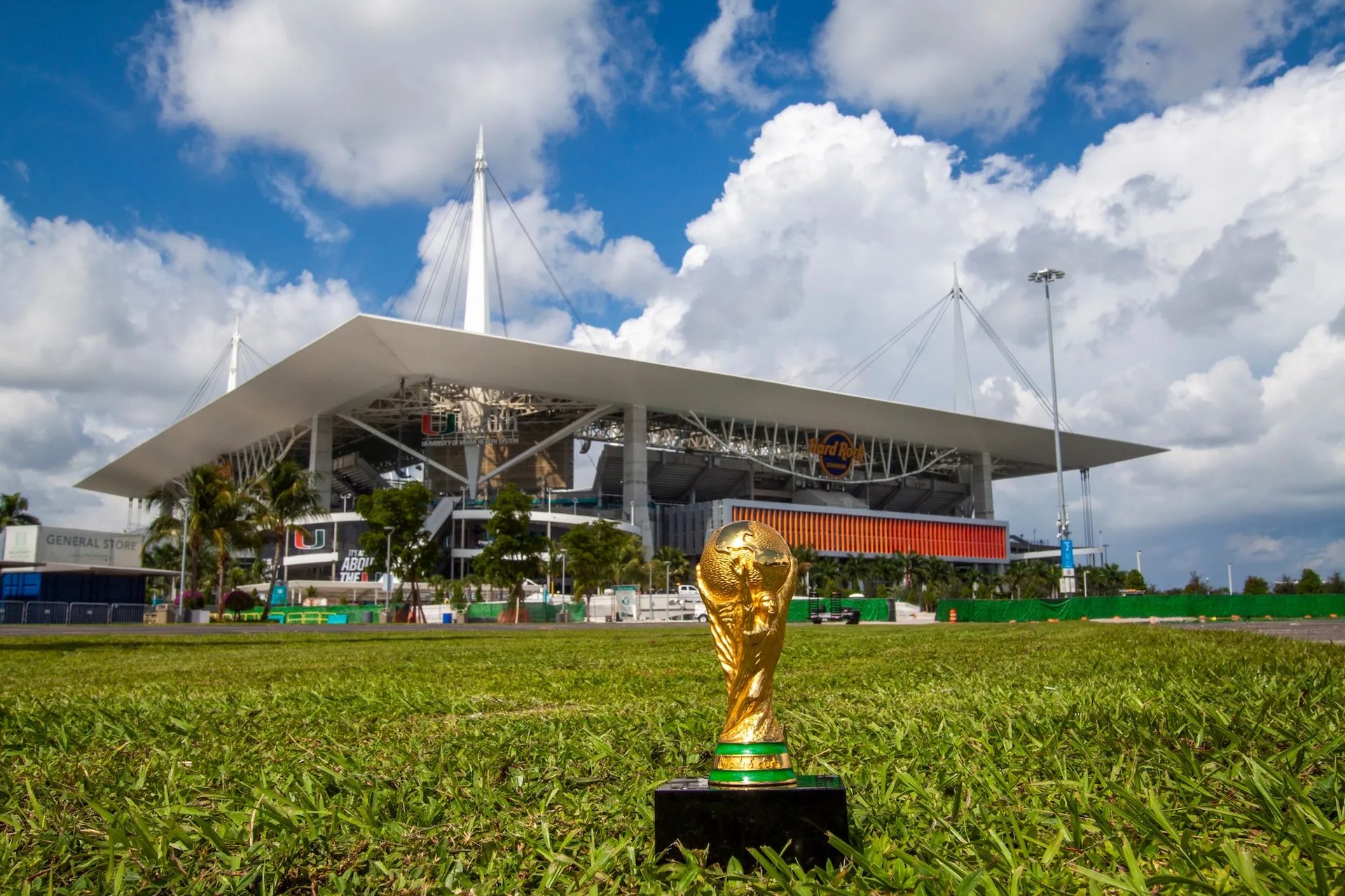
Hard Rock Stadium — renamed Miami Stadium for the duration of the tournament — hosted seven matches throughout the group stage and knockout rounds, including a quarterfinal. And on July 18, it will host the Bronze Final, the last competitive match before the World Cup is over. That is not a consolation event. It is a match between two of the four best teams in the world, played in South Florida, in front of a global television audience of hundreds of millions.
The economic numbers have been staggering. The seven matches at Hard Rock Stadium were projected to generate between $650 million and $1.3 billion in direct economic activity for the region, according to Oxford Economics and FIFA-commissioned studies. Estimates for total economic output, including the broader ripple effects of visitor spending, brand exposure, and infrastructure investment, reach as high as $1.5 to $2 billion for South Florida — nearly triple the economic impact of a Super Bowl. Hotel rates near Hard Rock spiked as much as 300 percent on match nights. Parking reached $250 per match at peak. And downtown Miami's Bayfront Park hosted the official FIFA Fan Festival, extending the economic footprint far beyond the stadium on non-match days.
For local businesses along the corridor — restaurants, hotels, retail, hospitality — match days meant capacity crowds and lines out the door. The economic lift extended well beyond the stadium, touching neighborhoods and small business owners who had never expected to be part of a World Cup story.
The more meaningful number, though, might be the one harder to quantify: over 5 million visitors are expected to pass through South Florida during the tournament window. Many of them had never been here before. They came for a match and found a city that stopped them in their tracks.
What Happens When the World Visits
There is a pattern that plays out after major global sporting events. Some of it is immediate — the hotel revenue, the restaurant tabs, the retail spend. But the more consequential legacy tends to show up later. Visitors who experience a city at its best — the energy of a World Cup, the weather, the food, the coastline, the culture — come back. Or they do not leave in the first place.
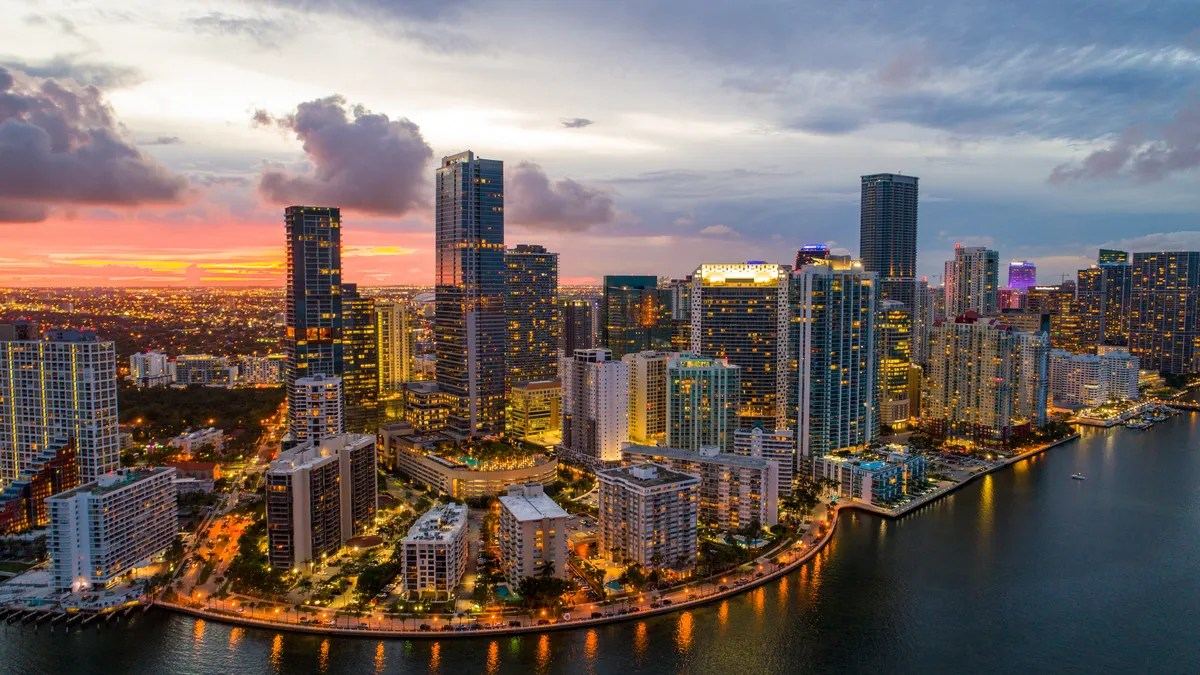
Miami's luxury real estate market already counts buyers from more than 40 countries. The World Cup has introduced this city to a new wave of international visitors, many of them from Latin America and Europe, who came for football and discovered a real estate market, a lifestyle, and a climate that checked every box they did not know they had. Short-term rental demand increased by an estimated 18 percent during tournament weeks. And the longer-term pipeline of buyers who experienced South Florida for the first time this summer is already being felt in inquiry volume across the market.
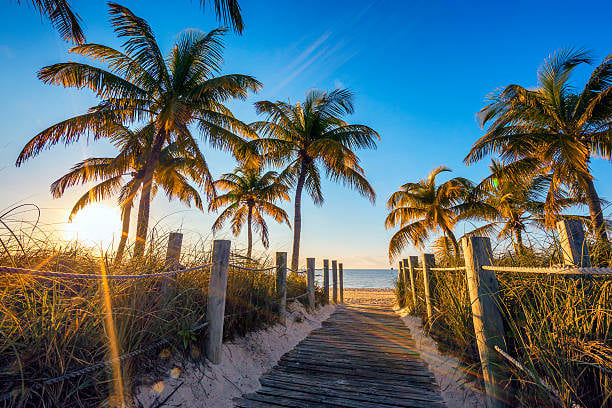
South Florida has long positioned itself as a global destination. This summer, the World Cup made that argument for us at a scale no marketing campaign ever could. Millions of people who had only seen this coastline in photos experienced it in person — the heat, the color, the energy, the water — and left with a very different understanding of what life here actually looks like.
Fell in Love With South Florida This Summer? You Are Not Alone.
Every summer, people visit South Florida and leave wondering why they do not live here. This summer, that feeling is hitting on a global scale. And the question that follows — what would it actually look like to buy here, invest here, or make the move? — is one that deserves a real answer, not a Google search.
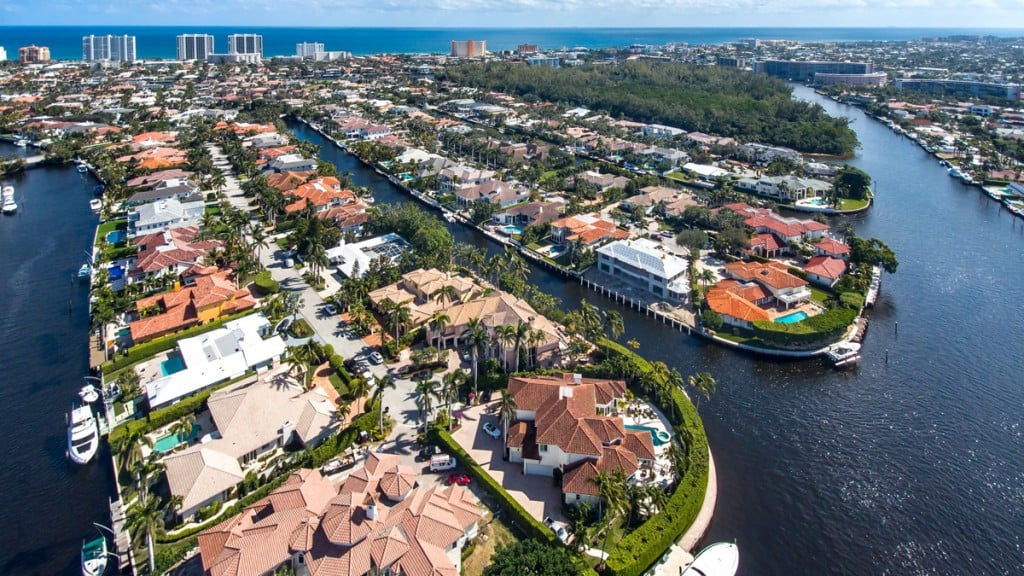
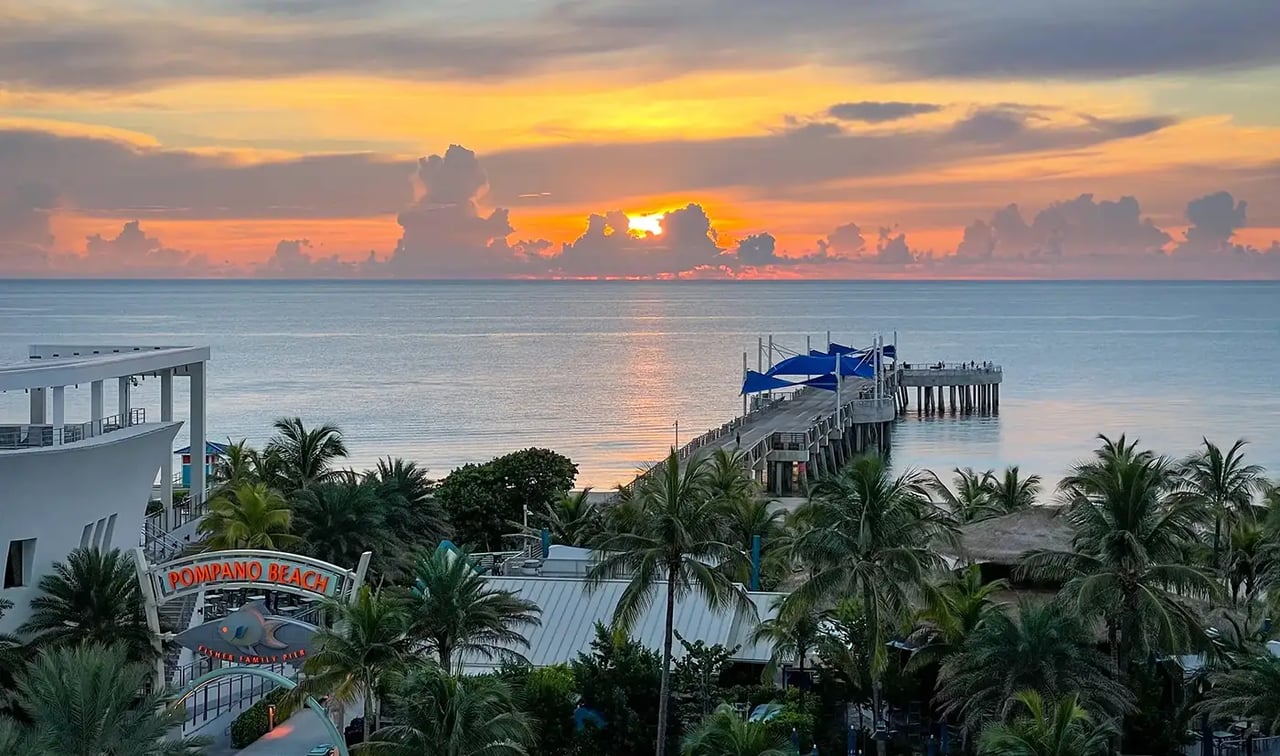
South Florida is not one market. It is a corridor of distinct communities stretching from Miami north through Fort Lauderdale and up to Boca Raton and West Palm Beach, each with its own character, price point, lifestyle, and access to water. For someone who just visited for a match and spent a few days in Miami, the idea of figuring out where to buy — and what to look for — can feel genuinely overwhelming. Brickell or Coconut Grove? Fort Lauderdale or Pompano? Waterfront or walkable? Canal access or Intracoastal? Investment property or primary home?
These are not questions with universal answers. They depend entirely on who you are and how you want to live. That is exactly where having the right person in your corner makes all the difference.
I have spent decades living and working along this corridor. I know these neighborhoods the way a local does — not just the price per square foot, but what it actually feels like to live there on a Tuesday morning. Whether you are looking at a second home in Boca, an investment property in Fort Lauderdale, or trying to understand what your budget gets you on the water between Pompano and Lighthouse Point, I can map the whole corridor for you and help you figure out where you actually belong in it.
The World Cup brought you here. The coast might just keep you.
Let's Find Your Place in Paradise.
Whether you visited for the World Cup and never want to leave, or you have been watching from a distance and are finally ready to make a move — I know this coast better than anyone. Reach out and let's start the conversation.